Frequent software updates = poor customer experience
 It's getting harder and harder to imagine a world without all the cool apps and software programs that help run our daily lives. At the same time, I wonder if software companies are paying attention to the frustrating consumer experience of the app update?
Here's an example.
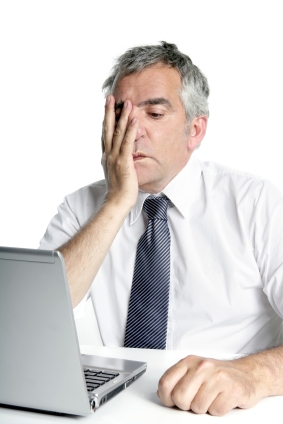
I sat down for a quick lunch the other day and fired up my iPad to read the Wall Street Journal. The current edition didn't open. Apparently, I needed to update the Wall Street Journal app on my iPad before I could read the paper. Didn't I just do that a few weeks ago?
Apple's App Store required me to login and then acknowledge an updated user agreement before continuing. I like to read what I sign so I know what I'm getting into, but I noticed the agreement on the screen said "Page 1 of 41".
Sheesh - 41 pages? Really? Call off the lawyers, Apple. It's not like I'm buying a house or setting up ponzi scheme. I just want to download an update for an app.
I just clicked "Agree". Hopefully, there wasn't a murder confession or a promise to pay Apple $1 million buried in that voluminous user agreement.
Finally, the Wall Street Journal app started to update. Slowly. It finished up just as I ate the last bite of my lunch.
Here's what I wish software companies like Apple would consider.
- It's aggravating when you can't use your software immediately because of a required update.
- The amount of legalese in these user agreements is ridiculous. Seriously, do your lawyers get paid by the word? Trim it down and make them simple.
- The annoyance factor has exponentially multiplied as more and more companies launch frequent updates with horrendously long user agreements.
